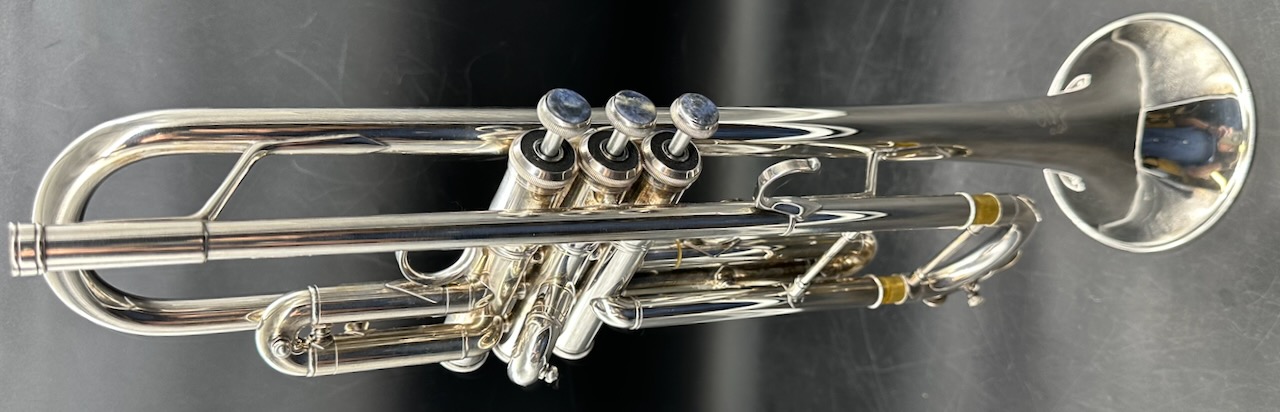
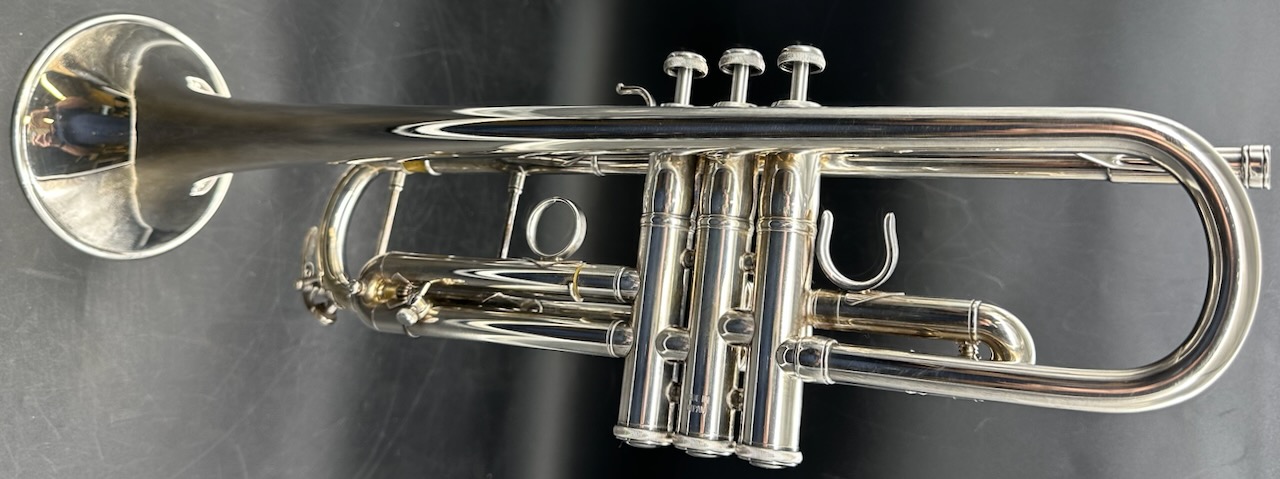
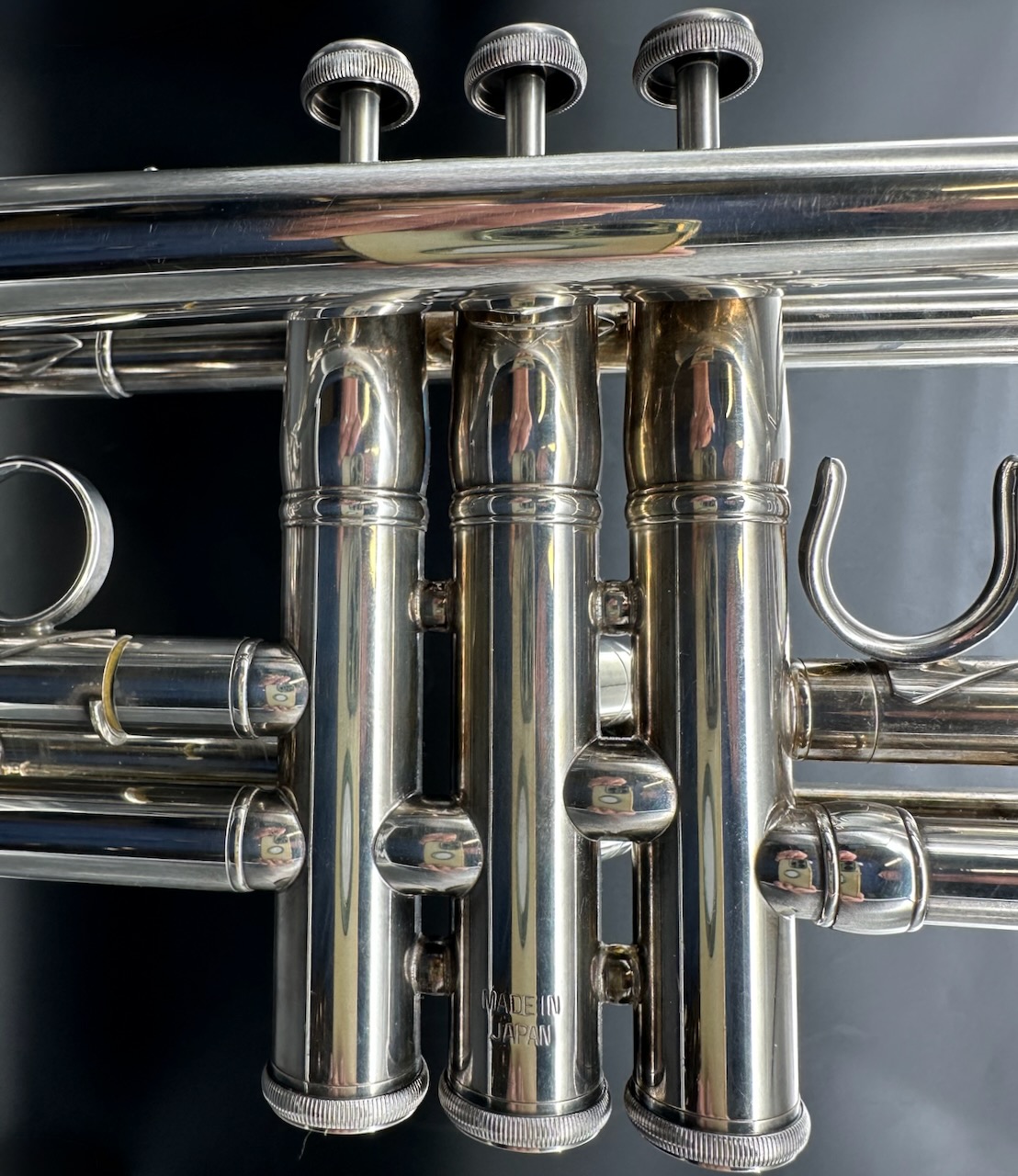
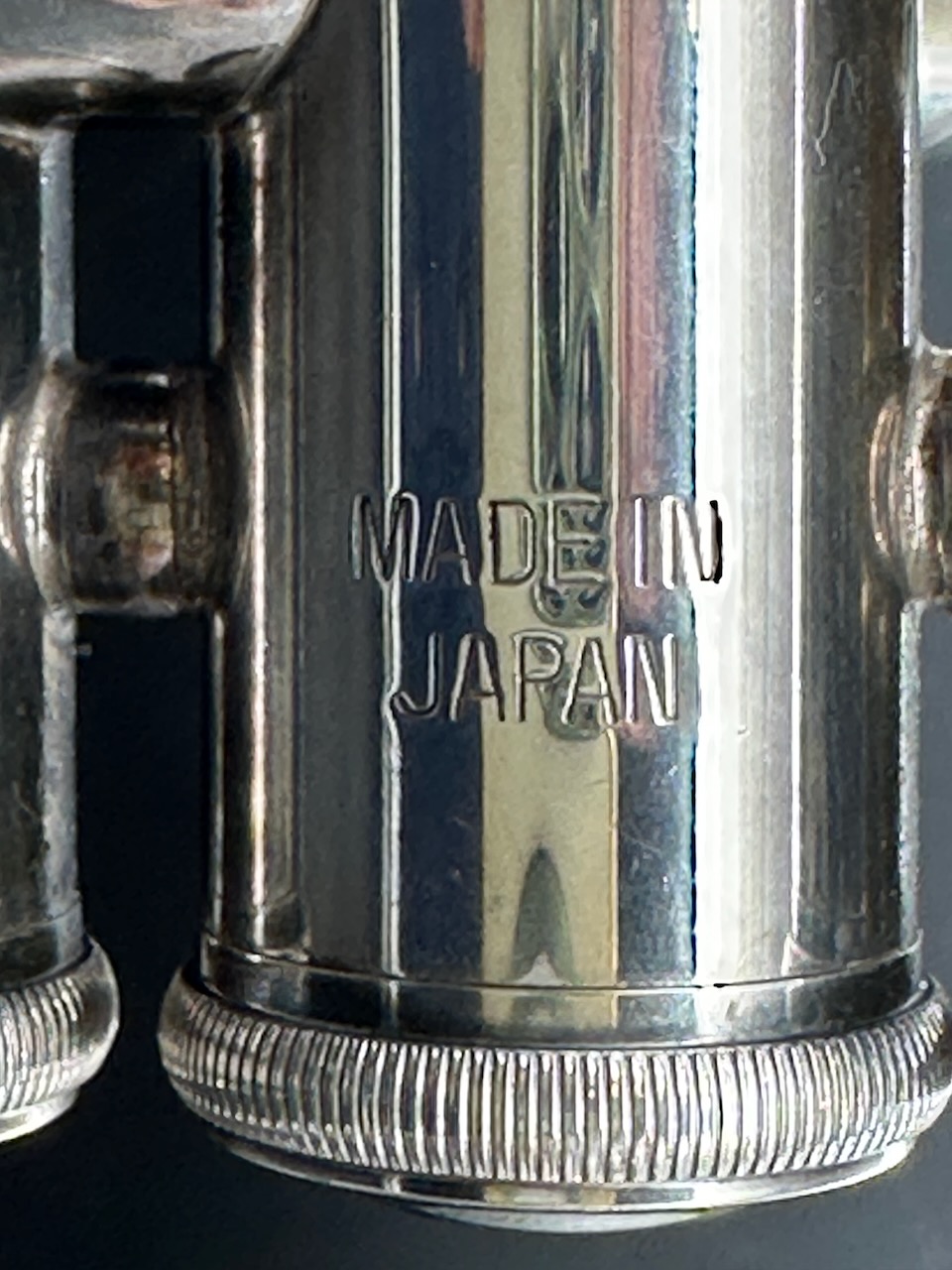
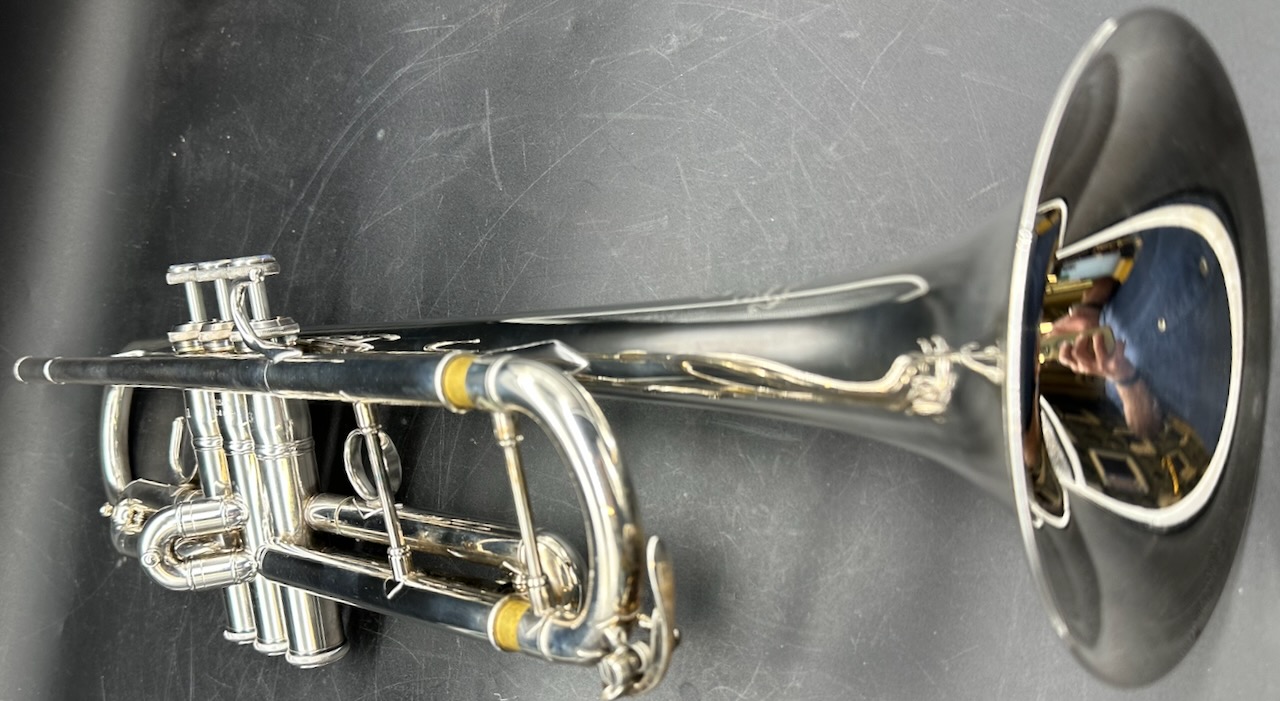
🎺 Instrument Specifications & Profile
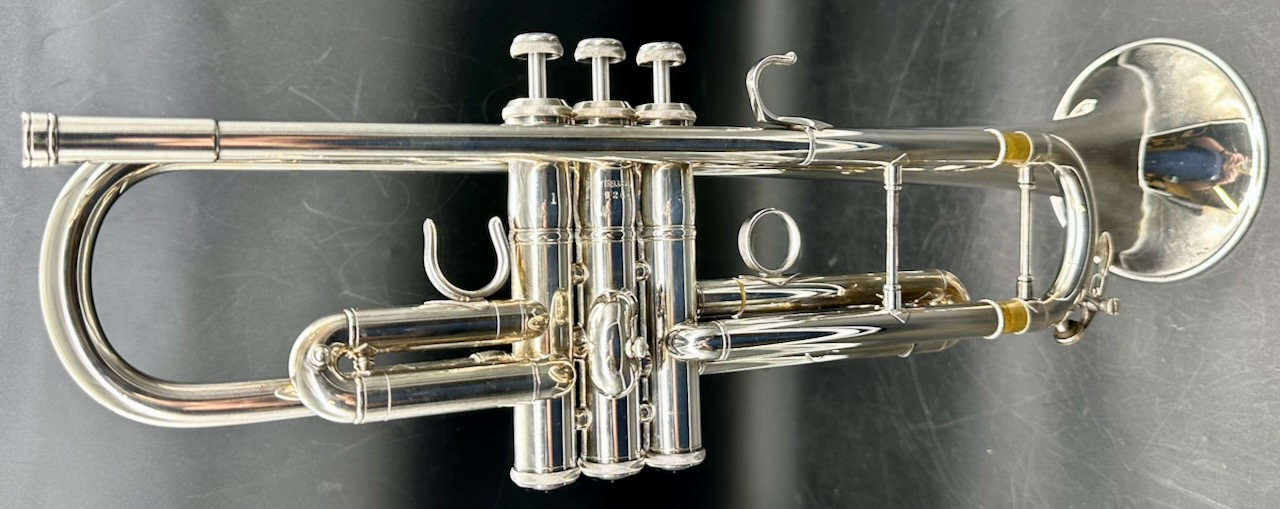
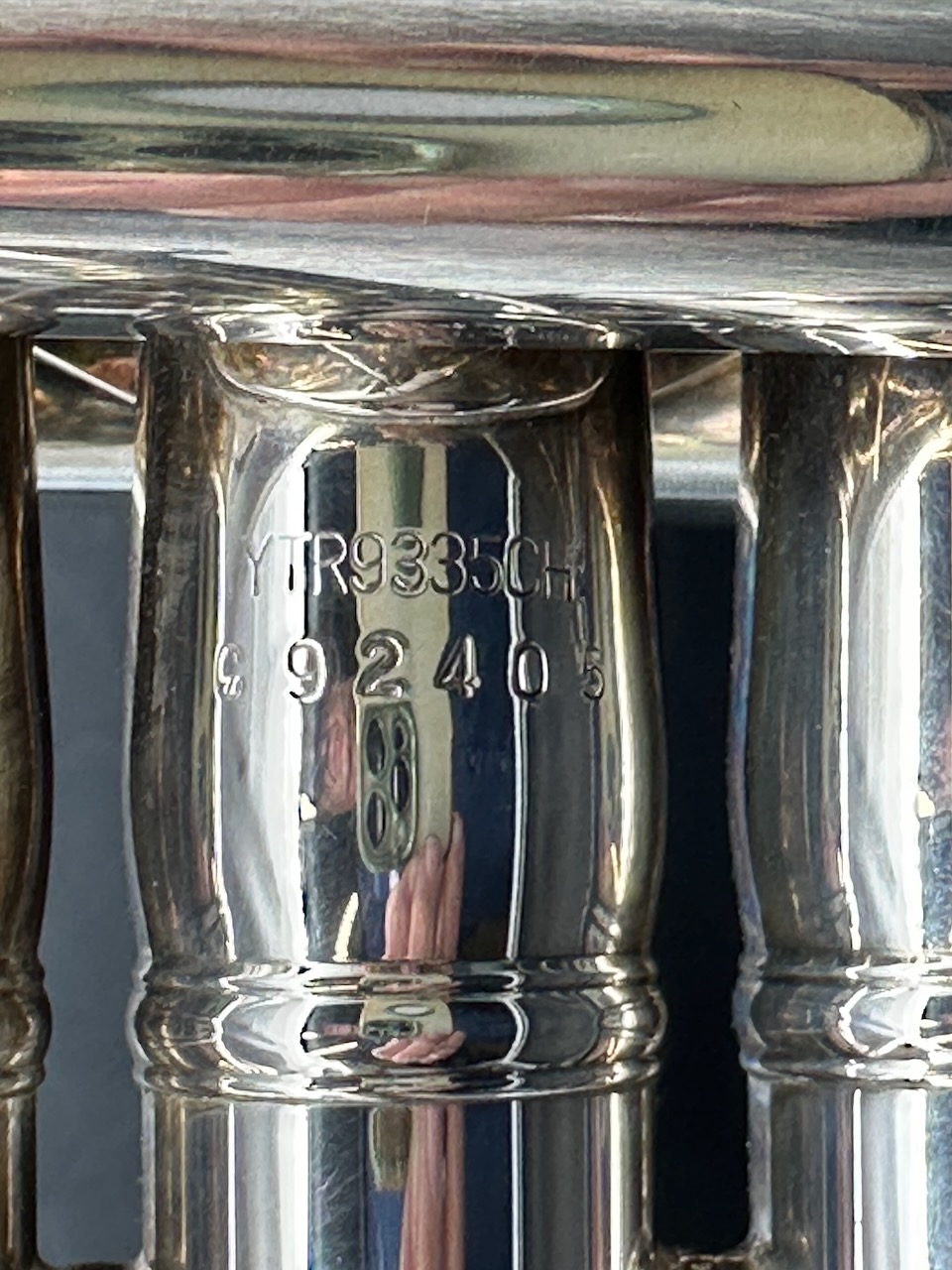
- Model Code: YTR-9335CHSII (Generation 2)
- Key: B♭
- Bore Size: Medium-Large (11.65 mm / 0.459″)
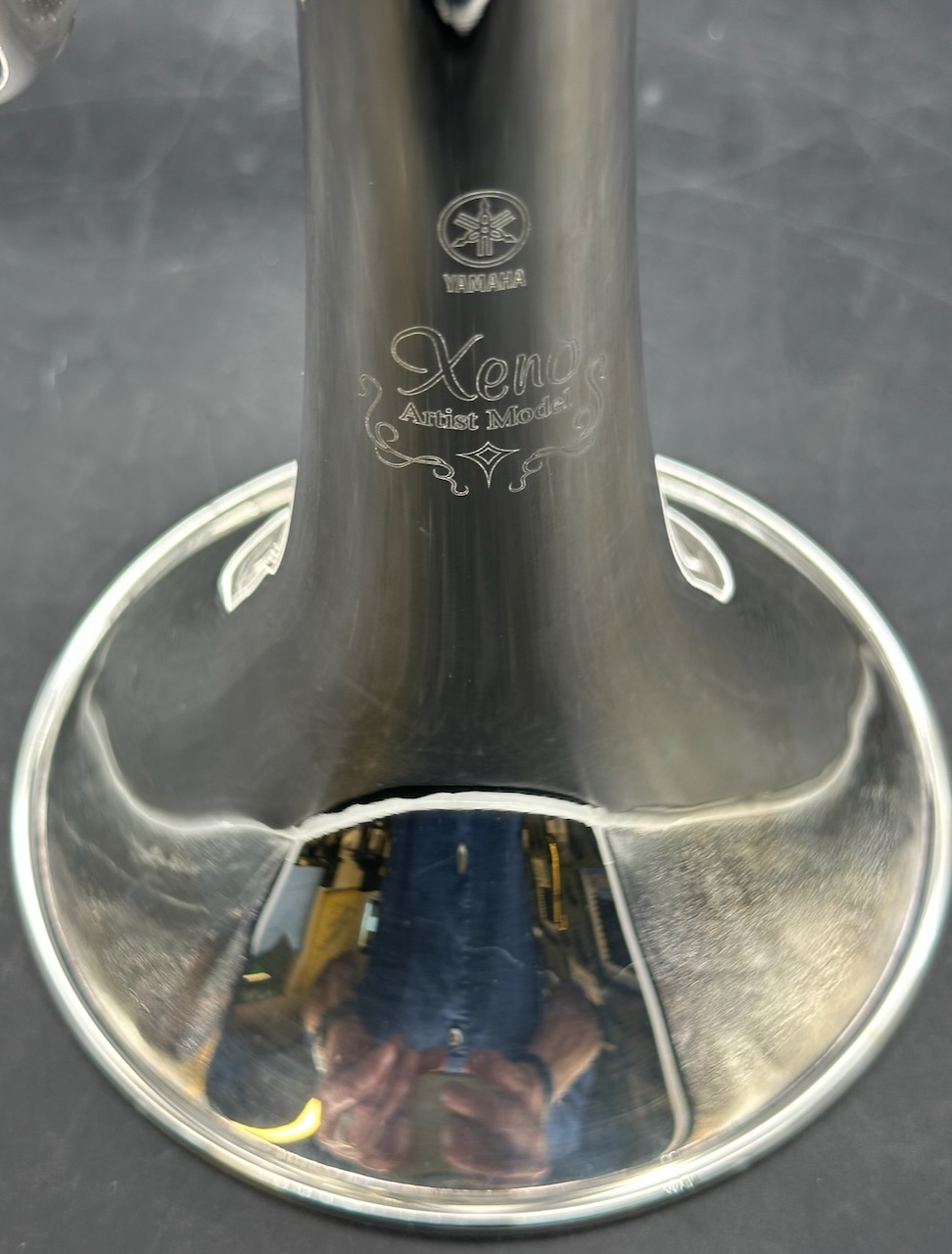
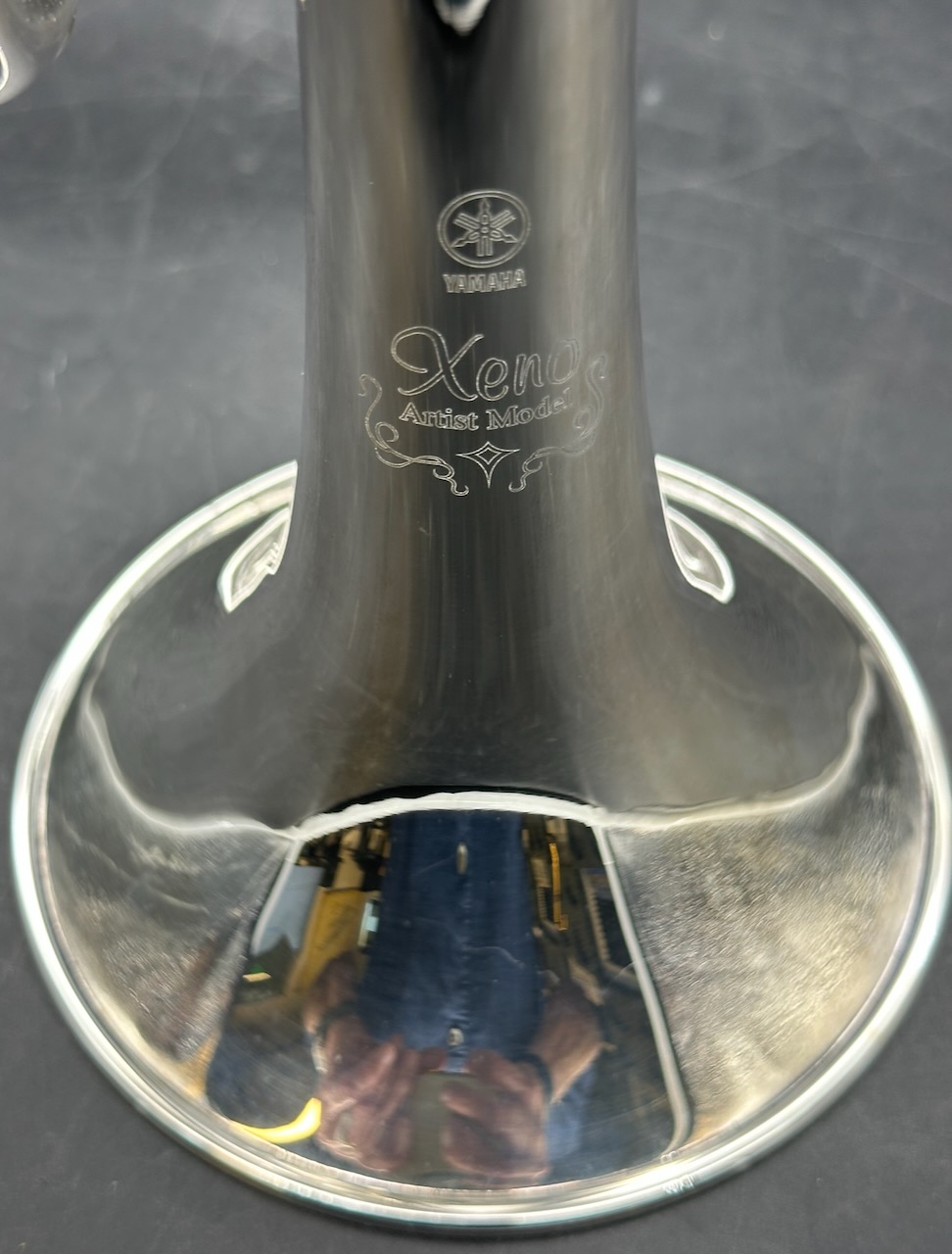
- Bell Style: One-piece yellow brass bell with a French bead rim and YL3 taper
- Finish: Heavy silver-plated
- Serial Number (S/N):C92406 (The “C” prefix denotes Yamaha’s specialized custom/artist production line allocations).
The Generation 2 “Chicago” model introduced several design overhauls compared to the original Gen 1 series to optimize acoustic response and tonal focus:
- Malone Pipe™ Tap: Integrates Bob Malone’s custom straight-taper leadpipe design for an exceptionally precise tonal center and improved intonation.
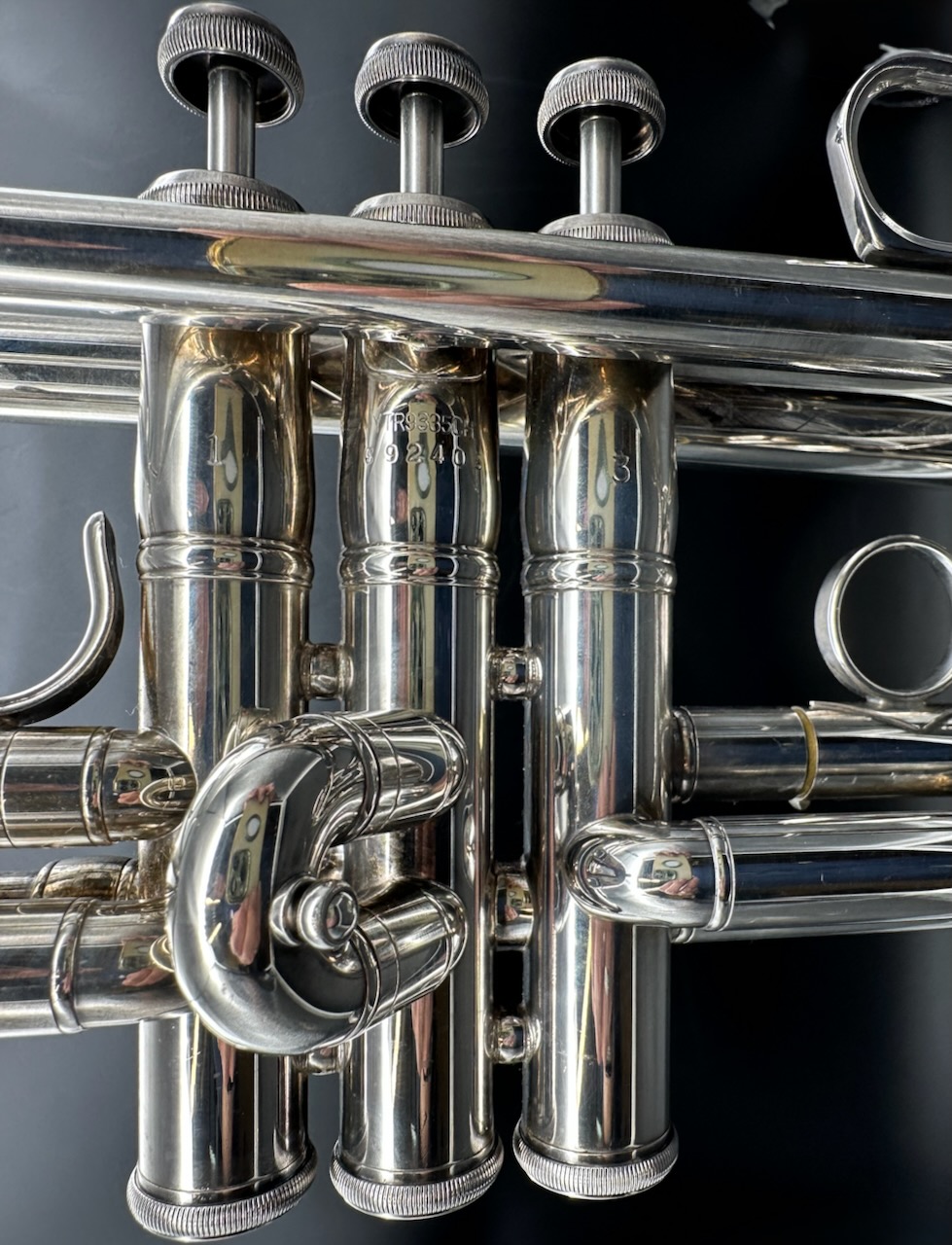
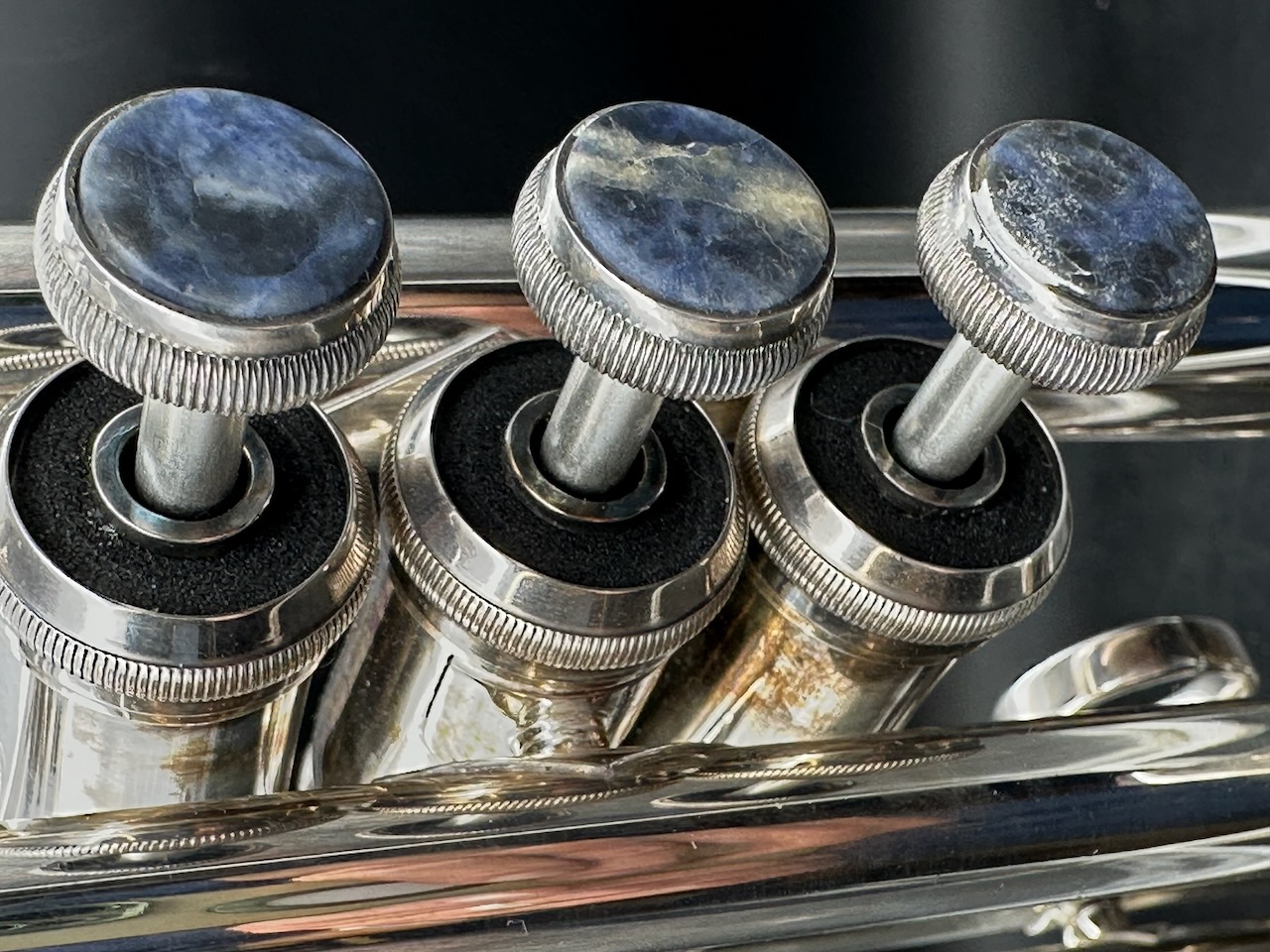
- Redesigned Valve Casing: Features a modified casing weight and two-part brass valve bushings to produce a brighter tone and smoother playing resistance.
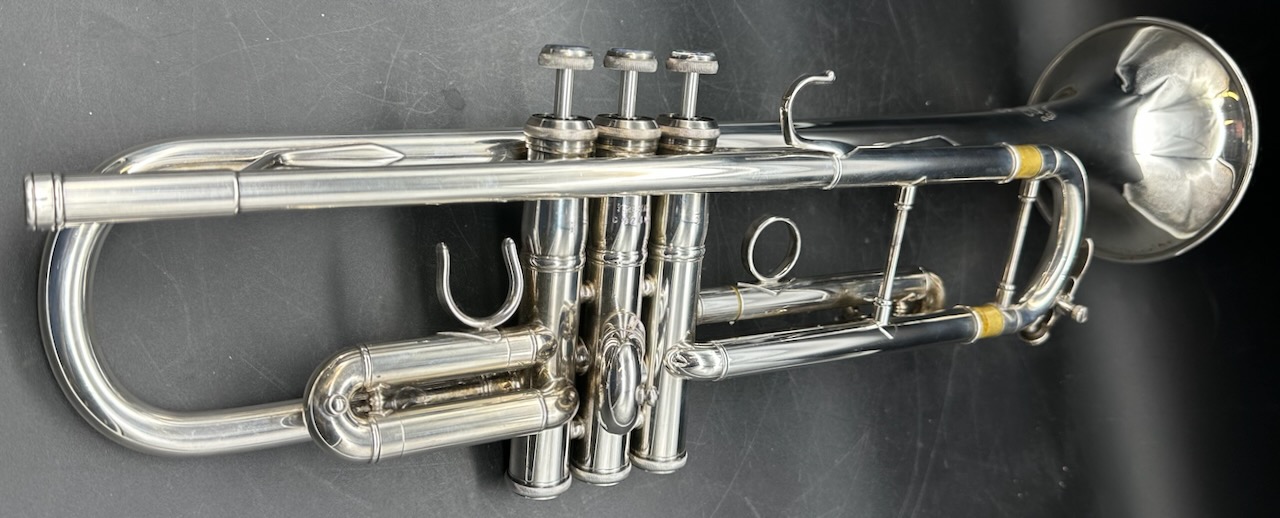
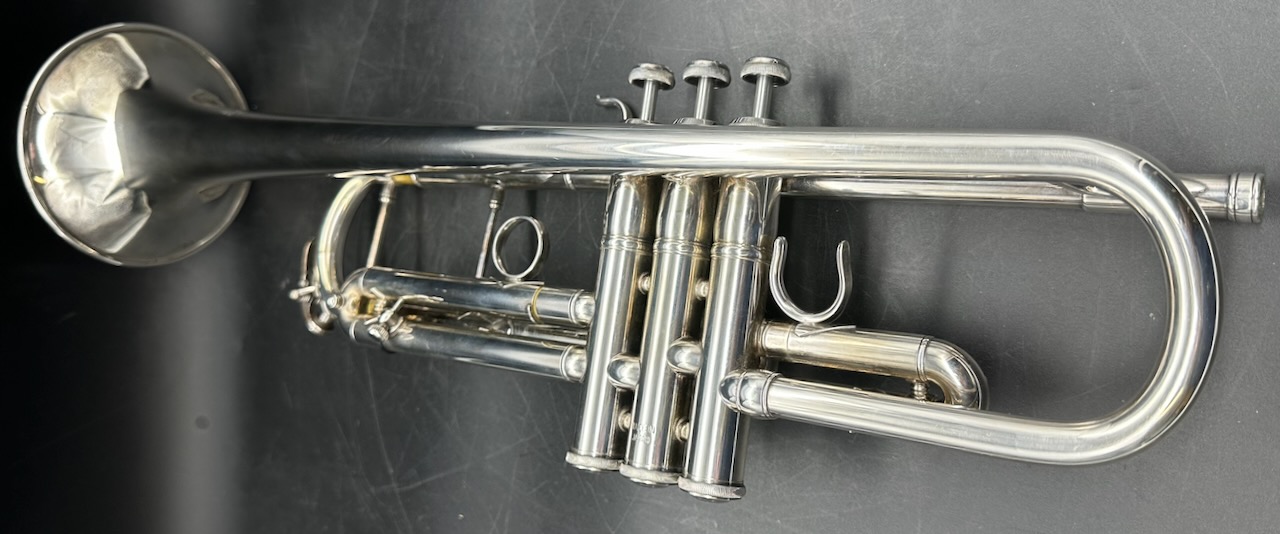
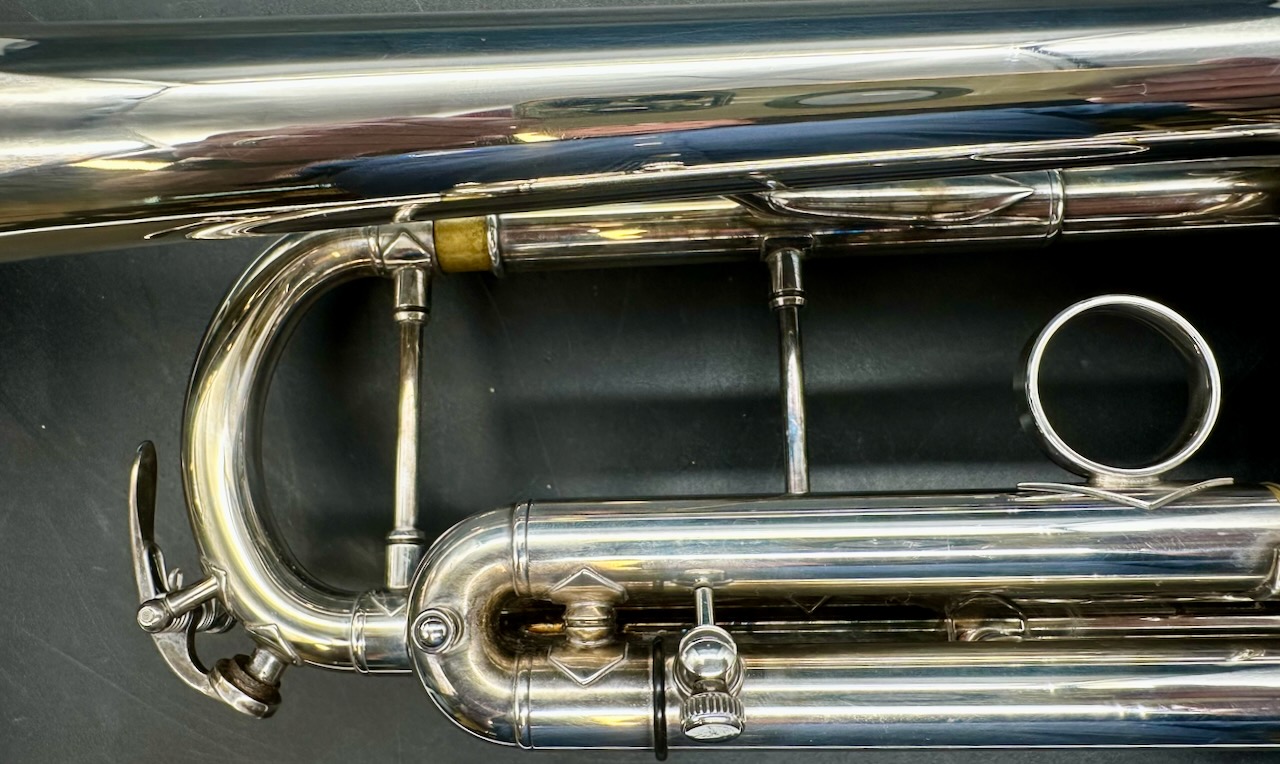
- J-Shape Finger Hook: The 1st tuning slide utilizes a J-shape hook, which physically adds weight to optimize slotting and stability.
- Brace Realignment: The bell and first valve slide braces were dynamically repositioned to achieve a highly responsive, “three-dimensional” projection.
This specific instrument was manufactured between 2015 and 2018.
Unlike other vintage brands, Yamaha does not publish a publicly accessible, sequential database tying exact serial numbers to specific calendar days. However, the production timeline can be calculated accurately using the specific generation of your trumpet and Yamaha’s custom workshop coding:
- The Model Launch: The YTR-9335CH Generation 2 was officially introduced in 2015 following design revisions with John Hagstrom.
- The Generation End: Yamaha revised the flagship Chicago series again with a 2019 model update (marking the phase-out of Gen 2 and transition to the newer variants).
- The “C” Serial Prefix: The “C” prefix on your serial number (C92406) explicitly denotes that the instrument was hand-assembled at Yamaha’s flagship Custom Workshop facility, which uses a completely separate serial sequence than standard assembly lines
Near Perfect Condition! Vented 3rd slide performed by Jim Becker @ Osmun music
comes with original case and Bach 7CW Mouthpiece
Having a vented 3rd valve piston modification performed by legendary master brass technician
Jim Becker(formerly of
Osmun Music and currently with Yamaha Artist Services) solves a fundamental physical limitation of the trumpet’s acoustic design. Normally, when you move a valve slide
without pressing its corresponding valve piston down, it creates an airtight vacuum inside the tubing. The modification involves drilling an ultra-precise micro-vent hole through the interior port of the 3rd valve piston. On a world-class orchestral instrument like this
Yamaha 9335CH Gen 2, this modification delivers several distinct playing and mechanical benefits:
1. Eliminates the “Pop” and Pressure Resistance